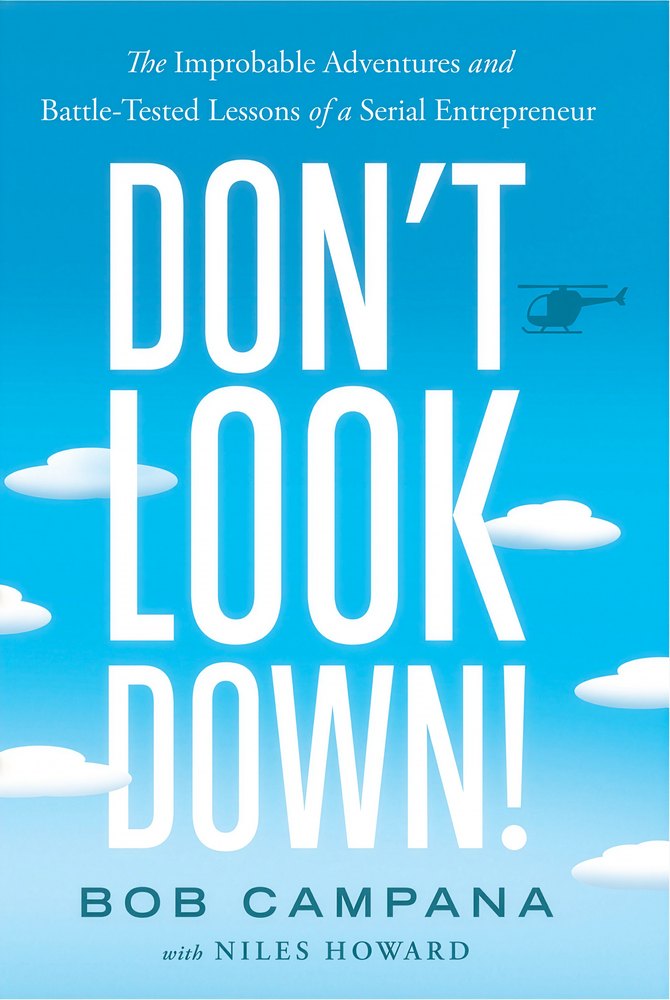
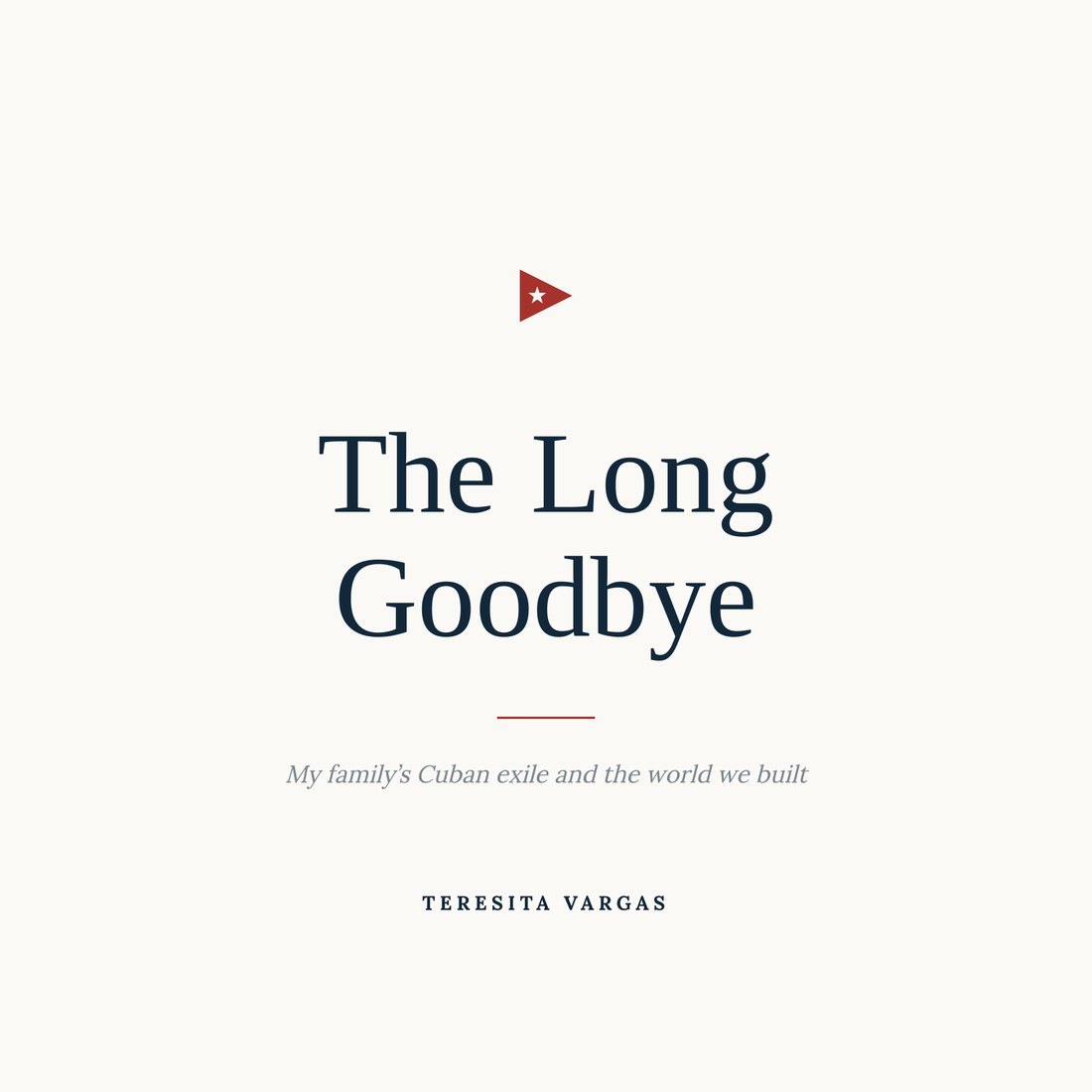
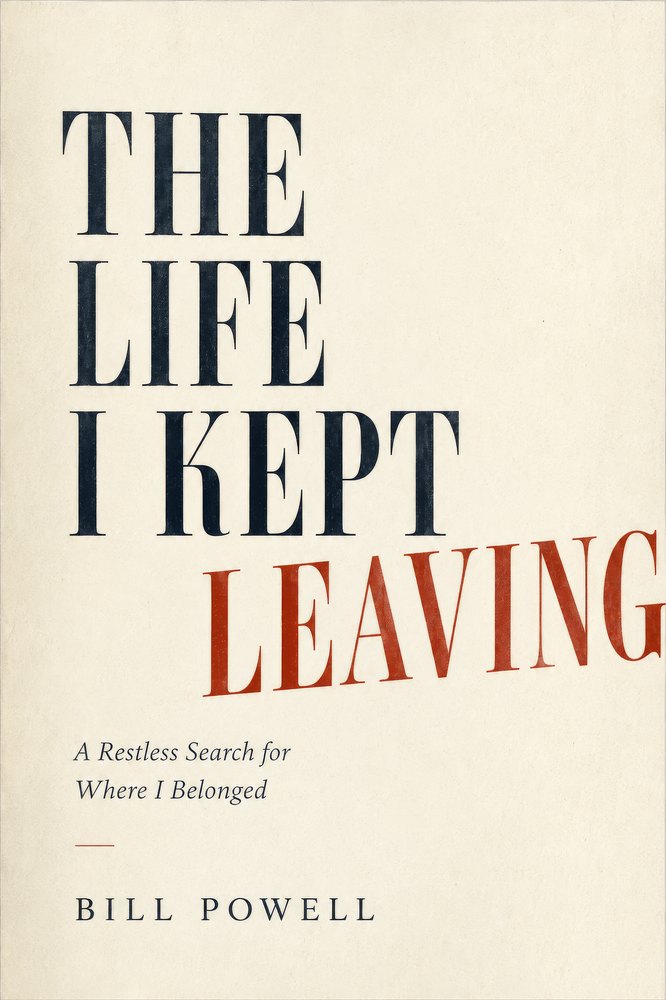
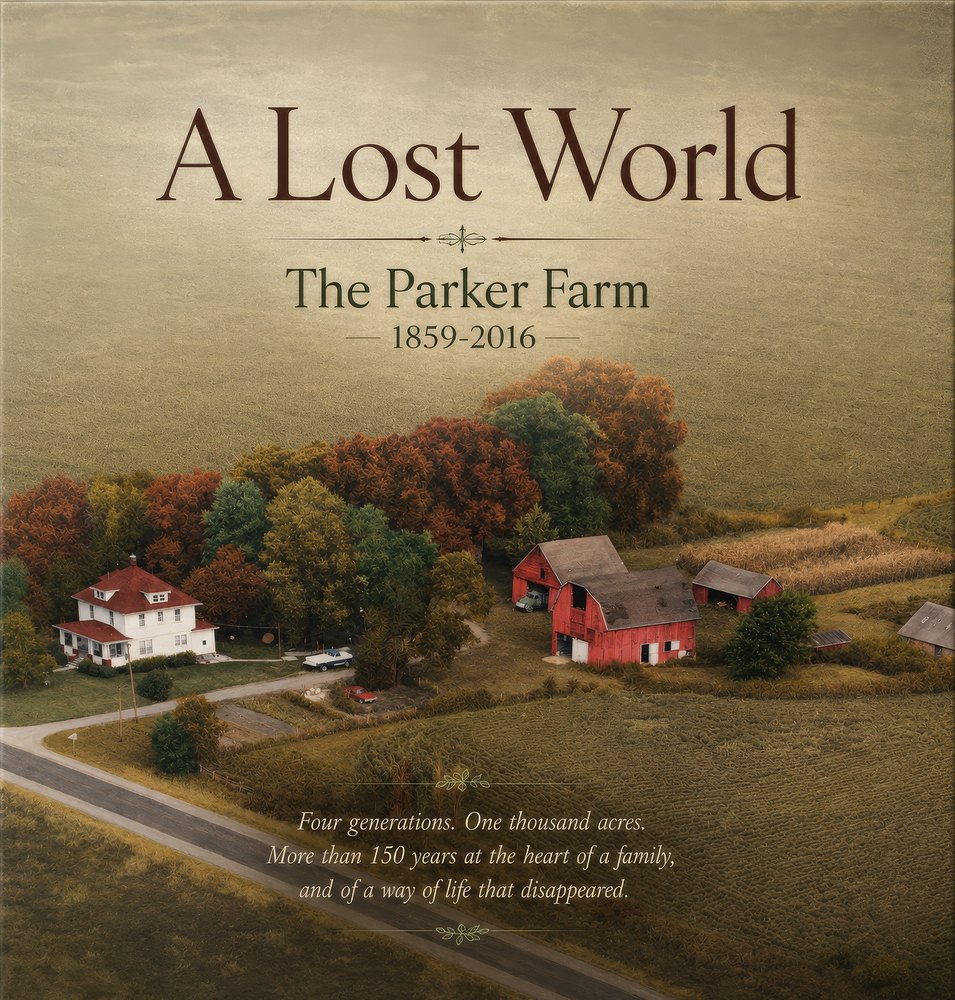
“Anyone can record what happened. The story worth telling is what mattered — and who you are.”
Before a word is written, we work out what this book is actually for: who will read it, what they should carry away, and how it should feel to hold. That conversation is the foundation of every project I take on, and it is the one stage no book skips.
What follows is less an interview than a long, curious conversation about the life behind the résumé. There’s structure and preparation and momentum — but the room stays relaxed and confidential, with space for contradictions, humor, and the things you had forgotten you knew.
Then the work becomes an act of discovery: finding the threads between moments, the deeper questions beneath the achievements, and the arc that turns a life into a story with momentum. You stay close to it throughout — chapters come to you as they’re written, in your hands to change.
A manuscript is not yet a book. Copyediting, design, photographs and permissions, paper, binding, print — between a finished draft and a finished object lie a hundred decisions, and you make them with one experienced partner beside you rather than alone.
How we finish depends on where the book is going. Some are bound for bookstores; others are meant only for the people whose names are in them. That single choice shapes everything — the design, the print run, the privacy, the way it feels in a hand fifty years from now.
For twenty-five years, Niles Howard was a journalist and editor at Inc. and Money, profiling the founders and stewards of enduring enterprises. The work was never really about writing — it was about discernment: learning to hear the difference between what happened and what mattered, and finding the thread running quietly underneath the version everyone already knew.
He brings that same discipline to every engagement now, working privately with founders, executives, and families to shape not the résumé version of a life, but the true one. He comes, by his own account, from a long line of Southern storytellers — the kind who could turn a Sunday dinner into an epic requiring at least one disappearing cousin — and he has never quite gotten over the habit of asking one question too many.